Information
Landmark: Cheongseokgung PalaceCity: Gyeongju
Country: South Korea
Continent: Asia
Cheongseokgung Palace, Gyeongju, South Korea, Asia
Overview
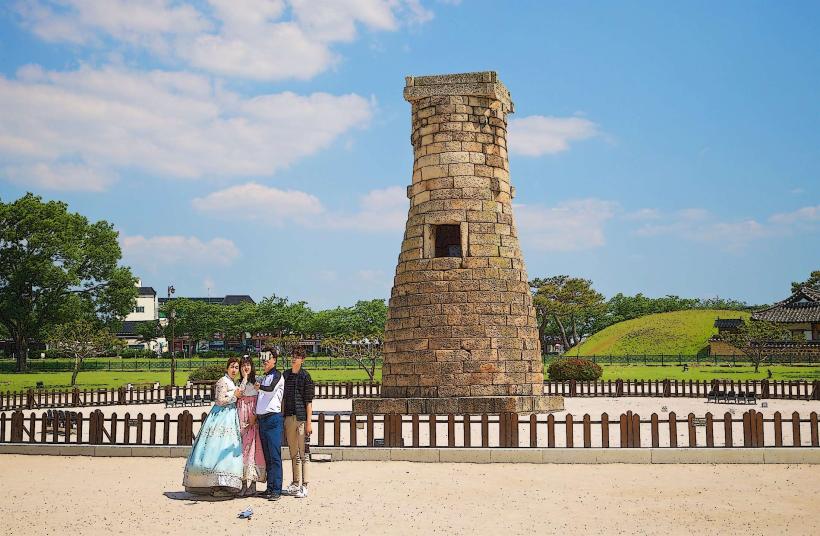
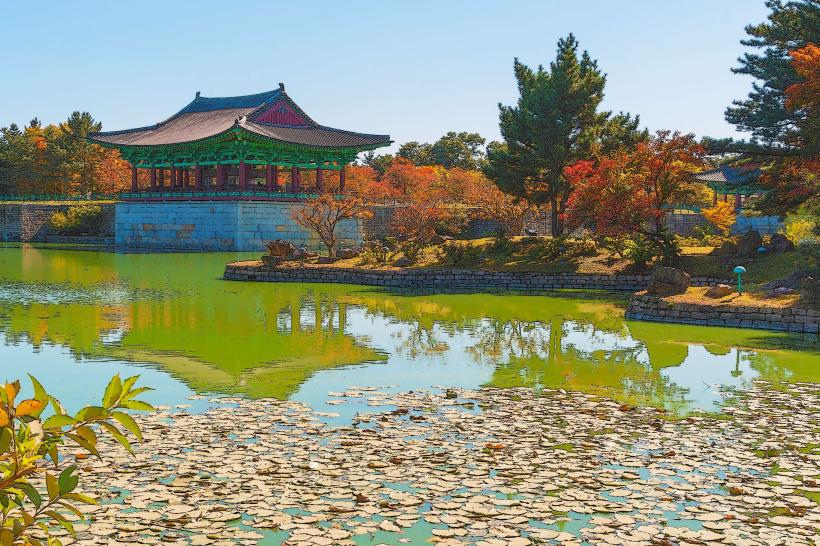
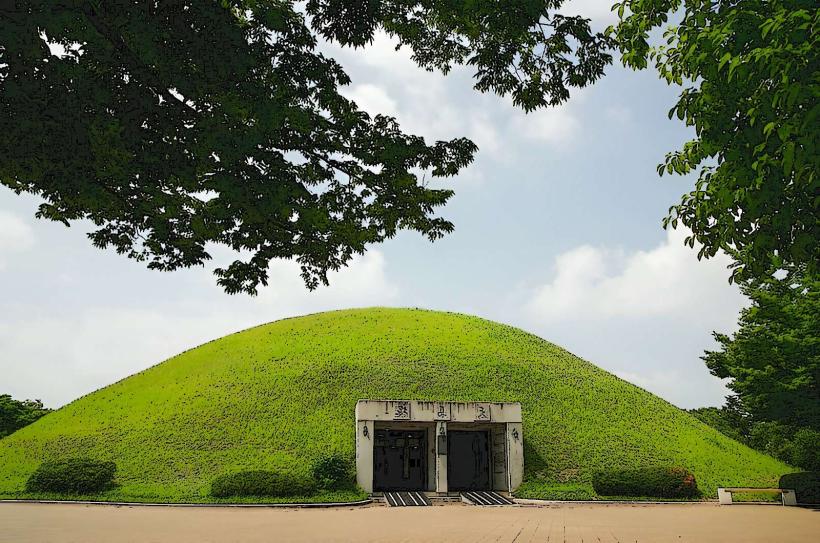
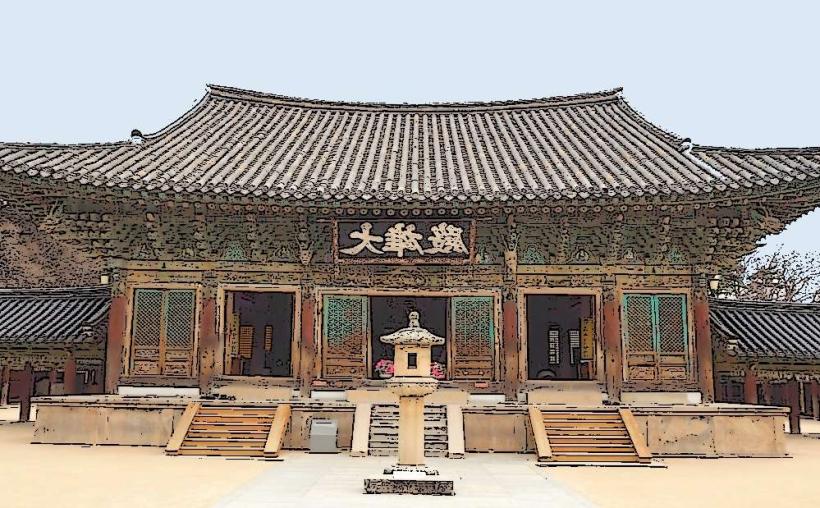
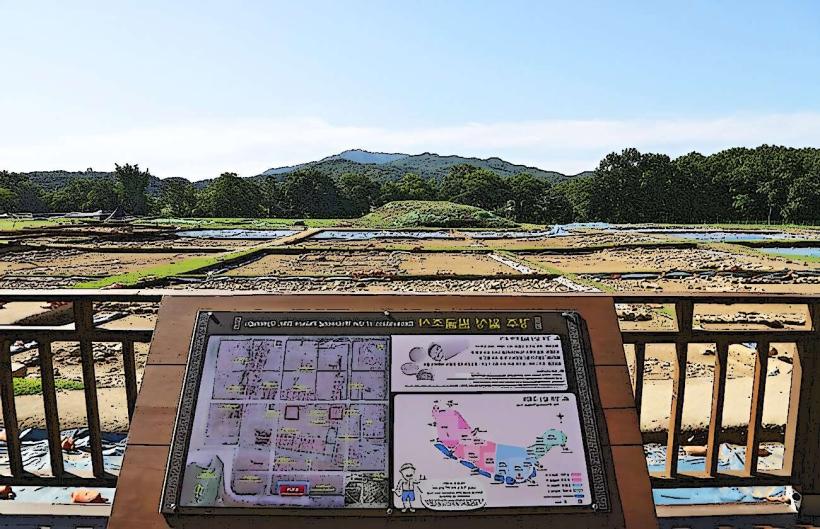
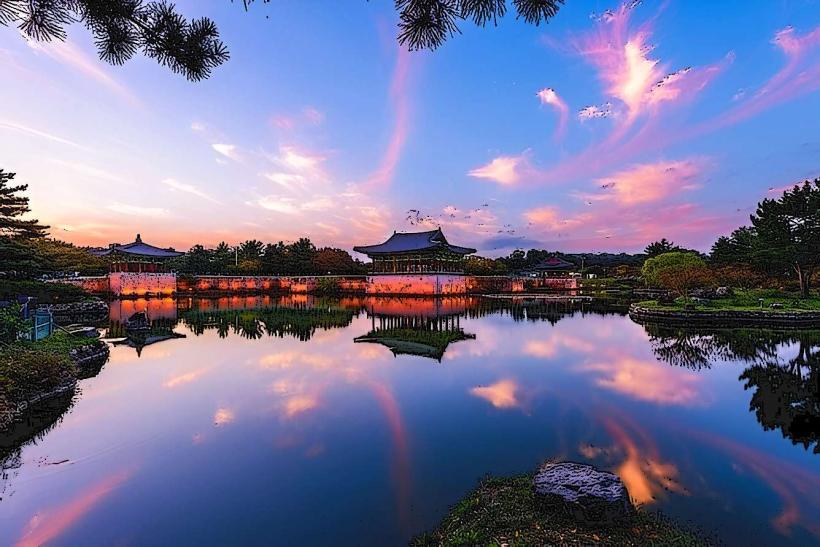
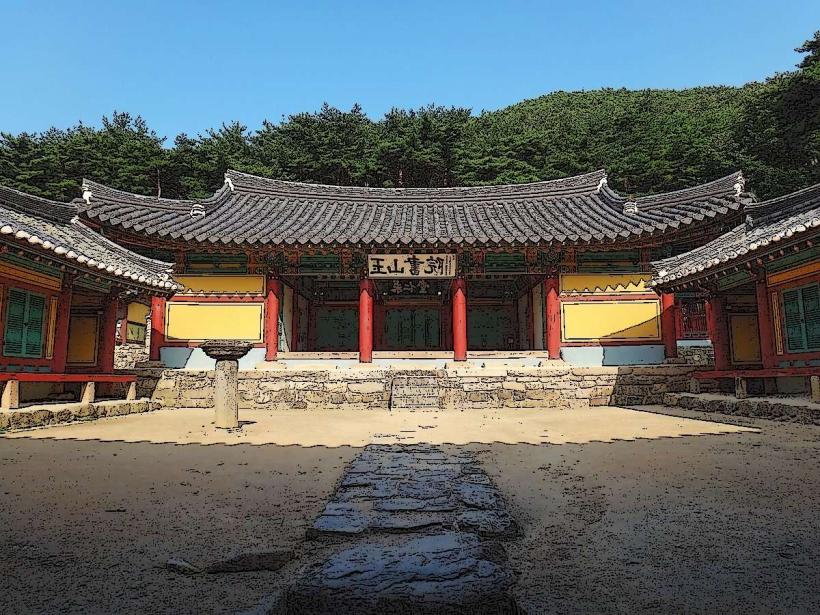
Tucked away in Gyeongju, South Korea, Cheongseokgung Palace (청석궁) isn’t widely known, yet its weathered stone walls hold centuries of history, in turn it may not draw the crowds of Bulguksa Temple or the shimmering waters of Anapji Pond, but Cheongseokgung Palace still stands as a proud piece of the region’s royal and architectural history.It’s a vivid reminder of the Silla Dynasty’s wealth and power, a time when gold crowns gleamed in the sun, simultaneously cheongseokgung Palace sits just below Namsan Mountain in Gyeongju, where the pine-covered slopes catch the morning light.It sits farther off the beaten path, so you’ll find it calmer and free of the crowds that pack the city’s grand landmarks, what’s more tucked into a sweep of trees and open sky, the palace offers visitors a quiet sense of peace and a deep link to both the land and its past.You know, Cheongseokgung rose during the Silla Dynasty, a kingdom that ruled from 57 BCE to 935 CE, when gold crowns gleamed in royal halls, along with it was probably built as a secondary palace or royal retreat, set apart from Gyeongju’s main court, where the air felt quieter and the hills softened the horizon.Not surprisingly, Over the years, most records of Cheongseokgung vanished-burned, misplaced, or simply worn away-leaving only a few weathered stones to hint at its former grandeur, simultaneously cheongseokgung, echoing the style of many Silla-era buildings, follows traditional Korean palace design, with broad wooden halls, open courtyards, and quiet enclosed rooms that embody Confucian ideals of order and harmony, roughly The palace once stretched across a vast compound, with separate buildings for the king’s family to live in, grand halls echoing with ceremonies, and offices where scribes bent over stacks of parchment, after that the palace still holds traces of its past-foundation stones worn smooth by time, carved fragments of its walls, and the tall ceremonial gates that once opened onto the courtyard.Funny enough, These remnants let visitors picture the splendor of Silla royal life, from glittering gold ornaments to finely fitted stone walls built with remarkable skill, in conjunction with historical Significance: The Silla royal family likely stayed in the palace, retreating there during tense political moments or when they needed quiet, shaded gardens to escape personal troubles.They set it near Namsan Mountain, where pine-scented air linked it to the wild slopes and the distance from Gyeongju’s bustling center gave it a natural shield, at the same time cheongseokgung Palace stands as a vivid reminder of the Silla Dynasty’s royal architecture, its stone walls still cool to the touch after centuries.Curiously, Though much of the structure has crumbled, it still belongs to a network of key Silla sites that help us grasp the dynasty’s cultural, political, and architectural achievements-like the graceful curve of a surviving stone arch, in addition cheongseokgung sits tucked against the slopes of Namsan Mountain, its walls framed by pine and stone, a area steeped in Korea’s history and spiritual tradition.As far as I can tell, Buddhist relics, temples, and weathered stone statues cling to the slopes of the mountain, filling the site with a deep sense of history and the quiet beauty of its wild landscape, after that visitors can take in the area’s natural beauty-quiet forests, winding mountain trails, and clear, icy streams-creating a locale that feels both peaceful and reflective, fairly Archaeological Remains: The palace itself has vanished, but diggers have uncovered scattered fragments-weathered stones and broken tiles-that hint at its past, along with they include foundation stones, sections of aged walls, and scattered bits of carved stone, offering a glimpse into how buildings were put together back then, somewhat Through digs and careful study, scholars have pieced together how the palace was arranged and used, yet with no written records, much of its story still hides in the shadows, subsequently at Cheongseokgung, guides lead visitors through stone archways and quiet courtyards, sharing stories of the Silla Dynasty’s masterful architecture and the palace’s deep historical importance.Ruins scattered among green hills, the hush of the surrounding forest, and the chance to learn on-site make this a captivating stop for anyone drawn to ancient Korean history, royal architecture, and archaeology, to boot cheongseokgung stays blissfully quiet compared to South Korea’s busier palaces, so you can wander its stone paths in near silence and feel the calm settle in, for the most part With its quiet air and the sweep of green hills all around, it’s the perfect spot to slip away from crowded tourist hubs and savor the kind of peace the Silla royalty might have once known, consequently scenic Trails: If you love the outdoors, Cheongseokgung’s spot near Namsan Mountain lets you hike winding paths and breathe in the fresh pine-scented air.Namsan is dotted with historic treasures-ancient Buddhist relics, weathered temple gates-making it an ideal location to blend a bit of culture with a hike up the mountain, in conjunction with cheongseokgung, an archaeological treasure, lets visitors step back into the Silla Dynasty-tracing how the royal family shaped Korean culture, from palace rituals to the clang of bronze bells.Truthfully, On these tours, guides often bring the past to life, explaining why the site was built, how it once bustled with activity, and what led to its languid crumble into ruin, moreover in conclusion, Cheongseokgung Palace might not be as famous as South Korea’s other royal palaces, yet its weathered stone walls and graceful design hold a quiet, lasting region in Gyeongju’s rich heritage.Tucked in a quiet spot, with centuries-aged ruins and traces of history, it gives visitors a rare, peaceful chance to step into the world of the Silla Dynasty, along with whether you’re drawn to ancient stories, the scent of pine in a garden, or a peaceful escape, Cheongseokgung Palace offers an experience you won’t forget in the heart of Gyeongju’s royal past.
Author: Tourist Landmarks
Date: 2025-09-16